
A mold rotator for injection molds helps factories turn, position and maintain heavy molds more safely. The correct mold rotator or mold flipper should be selected according to mold weight, mold size, rotation angle and workshop handling process.
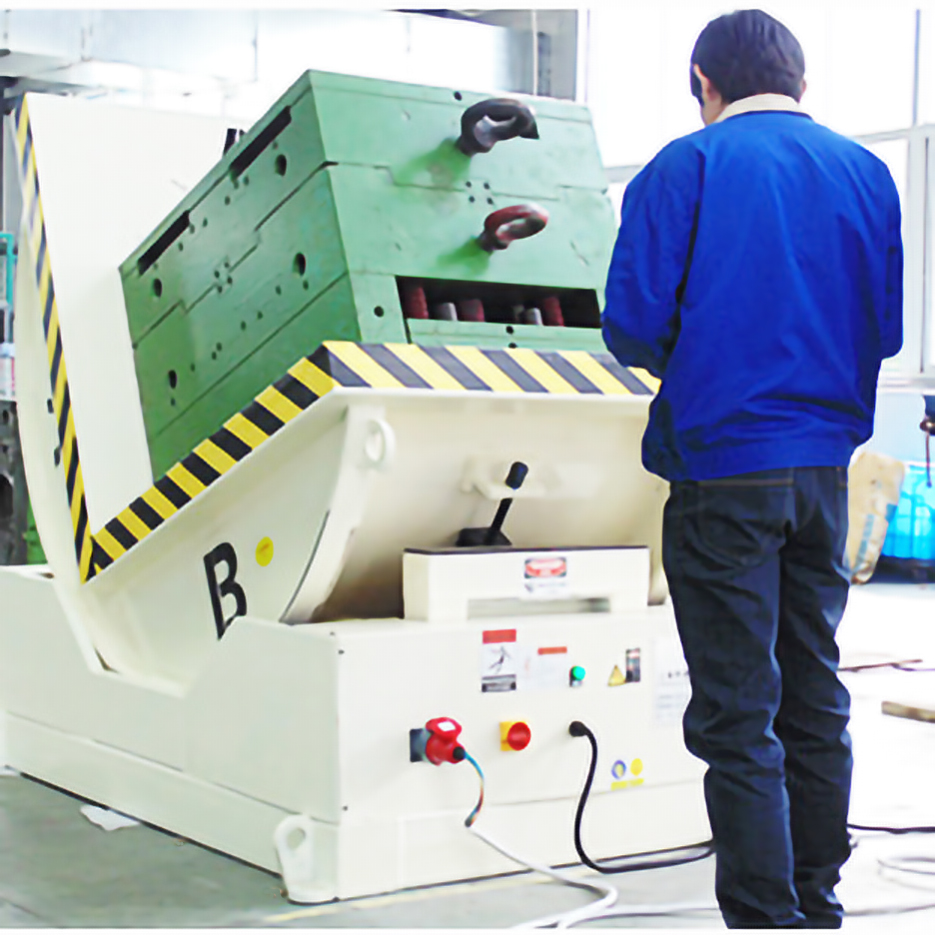
Key Selection Factors
Mold handling equipment is directly related to operator safety and maintenance efficiency. Before choosing a mold rotator, the factory should confirm real mold data and handling requirements.
- Maximum mold weight and safety margin.
- Mold dimensions, center of gravity and contact surface.
- Required 90-degree or 180-degree rotation angle.
- Workshop space, crane use and transfer route.
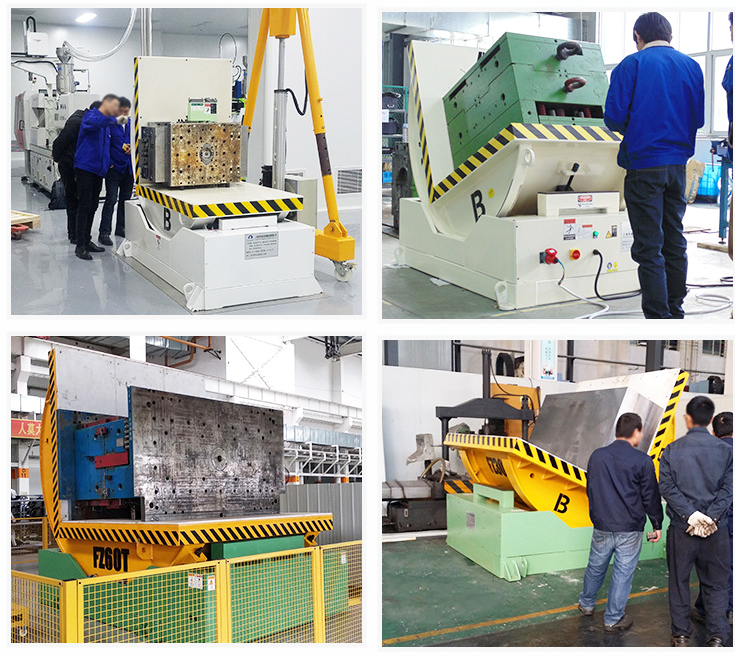
Why Mold Handling Matters
Safe mold turning reduces manual risk during mold maintenance, inspection, cleaning and assembly. It can also improve workflow when molds need to be moved between storage, repair and production areas.
- Improved safety during mold turning and maintenance.
- Less manual handling of heavy molds.
- Better mold preparation efficiency.
- Compatibility with mold transfer carts or workshop logistics.
SANTSAI Project Support
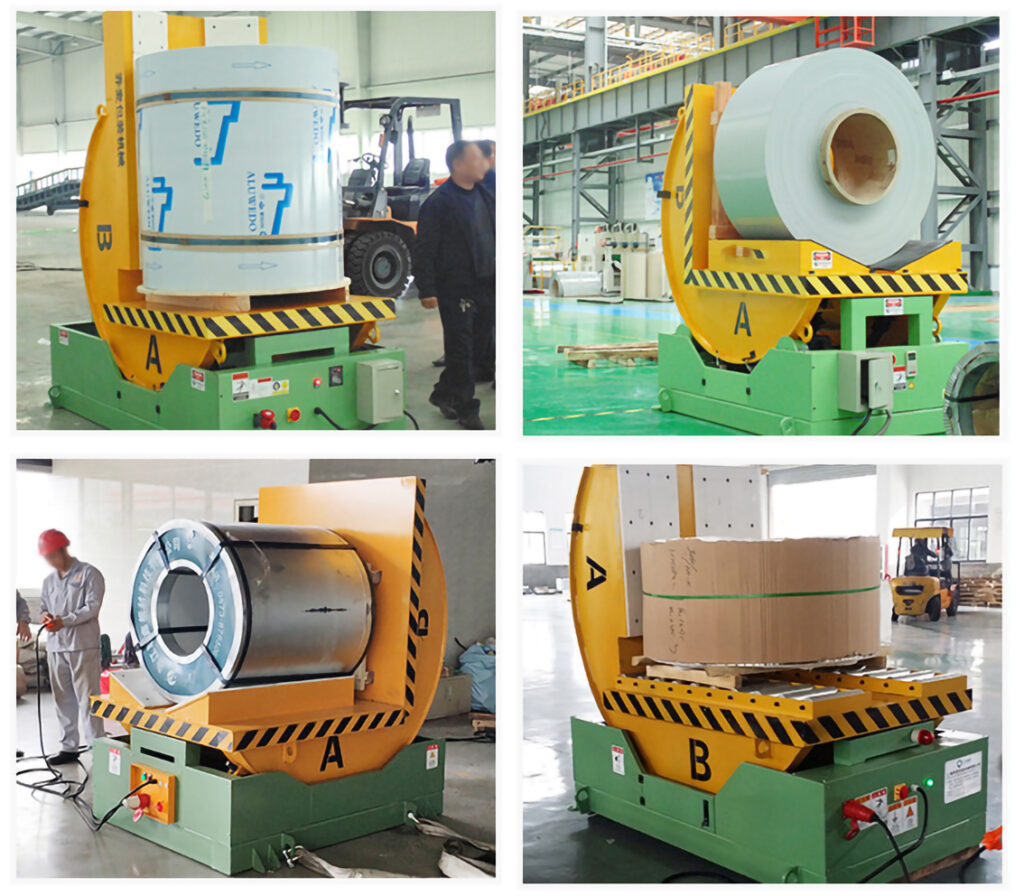
SANTSAI can help customers evaluate mold data, handling flow and safety requirements to select suitable mold rotators, flippers and related mold handling equipment.
Explore our injection molding solutions, review our mold rotator and flipper equipment, or contact SANTSAI to discuss your project requirements.